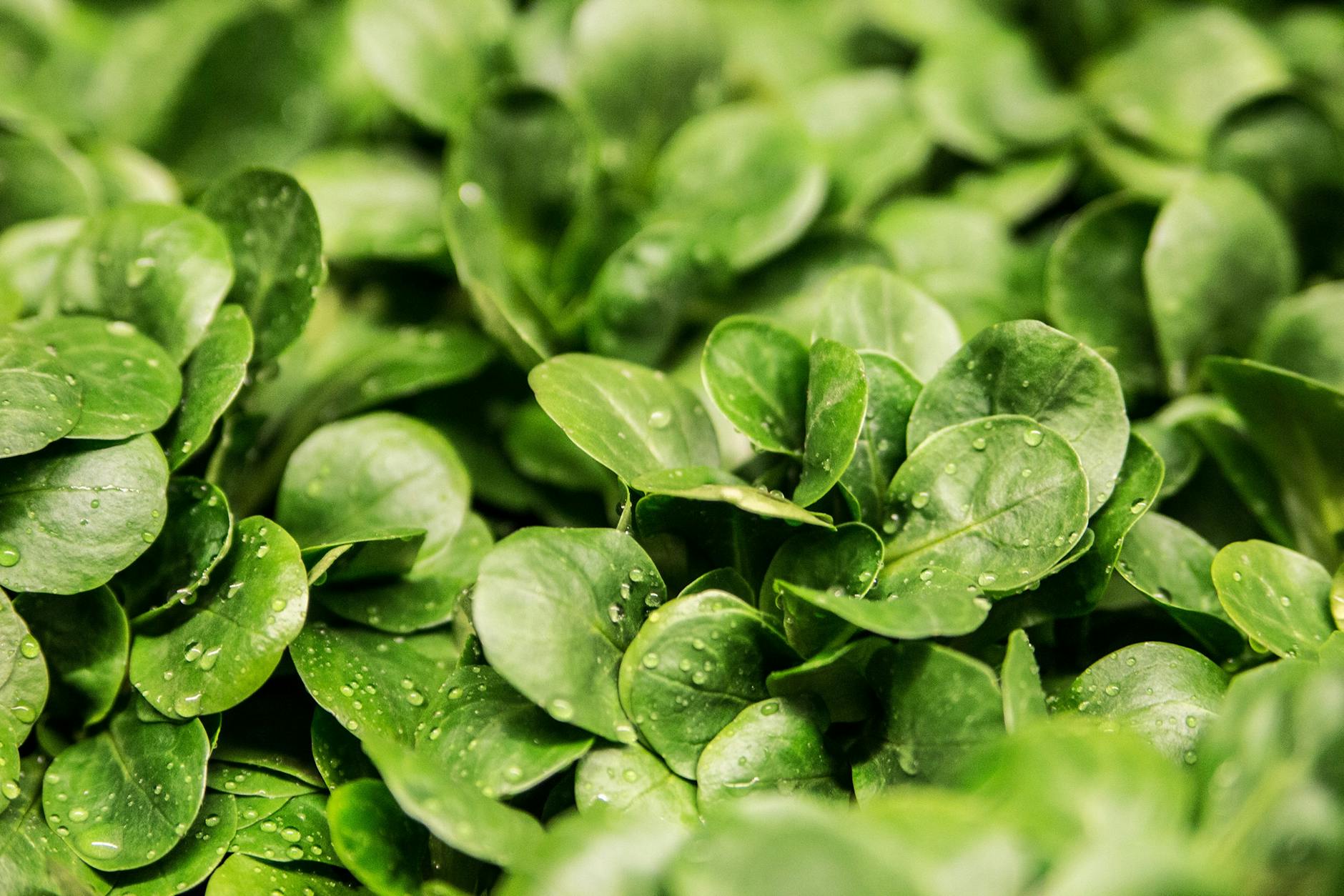

Magnesium is an essential mineral that plays a crucial role in many bodily functions, such as regulating muscle and nerve function, maintaining healthy bones, and supporting a healthy immune system. Unfortunately, it is estimated that around 48% of the U.S. population does not consume enough magnesium daily. This can lead to a range of health issues. Click here to read more about how magnesium is connected to our brain health. The good news is that magnesium is readily available in many foods, and adding more magnesium-rich foods to your diet can help you meet your daily requirements.
The recommended dietary allowance (RDA) for adults is 400 mg per day for men (420 mg per day if older than 30) and 310 mg per day for women (320 mg per day if older than 30). The following are 5 food groups that can easily be added to any diet that will help you reach your daily need of magnesium.
1) Seeds
Seeds are a great source of many nutrients such as healthy fats and fiber. They are also full of many vitamins and minerals, including magnesium. The following are some common types of seeds, their serving size, and the magnesium content in each serving.
- Pumpkin seeds (roasted), 1 ounce – 156 mg
- Chia seeds, 1 ounce (2 tbsp) – 95 mg
- Flaxseed, 1 ounce (2 tbsp) – 80 mg
- Poppy seeds, 1 tbsp – 31 mg
- Sunflower seeds (without hull), 1/4 cup – 113 mg
- Sunflower seeds (with hull), 1 cup – 150 mg
2) Nuts

Like seeds, nuts are also a great source of healthy fats, fiber, and protein. They contain many vitamins and minerals. The following are some common types of nuts, their serving size, and the magnesium content in each serving.
- Brazil nuts, 1 ounce – 107 mg
- Cashews, 1 ounce – 83 mg
- Almonds, 1 ounce – 76 mg
- Pine nuts, 1 ounce – 71 mg
- Hazelnuts, 1 ounce – 46 mg
- Walnuts, 1 ounce – 45 mg
- Macadamia nuts, 1 ounce – 37 mg
- Pecans, 1 ounce – 34 mg
- Pistachio, 1 ounce – 34 mg
3) Legumes
Legumes are an often overlooked group that offer many nutritional benefits. Beans are not only a great source of vegan protein, they are high in important minerals like iron, zinc, copper, and selenium. The following are some common types of legumes, their serving size, and the magnesium content in each serving.
- Lentils, boiled, 1 cup – 71 mg
- Black beans, cooked, 1/2 cup – 60 mg
- Edamame, cooked and shelled, 1/2 cup – 50 mg
- Green peas, 1 cup – 48 mg
- Pinto beans, cooked, 1/2 cup – 42 mg
- Kidney beans, canned, 1/2 cup – 35 mg
4) Vegetables

Vegetables are an important part of a balanced diet and should make up around a quarter to half of our plate at each meal. Leafy greens especially are packed full of many important vitamins and minerals such as vitamin K, potassium, and magnesium. The following are some common types of vegetables, their serving size, and the magnesium content in each serving.
- Boiled spinach, 1/2 cup – 78 mg
- Raw spinach, 1 cup – 24 mg
- Cooked broccoli, 1 cup – 24 mg
- Avocado, 1/2 cup – 22 mg
5) Whole Grains
Grains, especially whole grains, are an important source of complex carbohydrates, fiber, B vitamins, and minerals like selenium, iron, and magnesium. These nutrients are essential to keeping us healthy. Fiber for example is important to maintain healthy bowel function and cholesterol levels. Fiber can even play a role in our mental health. The following are some common types of grains, their serving size, and the magnesium content in each serving.
- Brown rice, cooked, 1/2 cup – 42 mg
- Breakfast cereals (fortified with 10% DV of magnesium), 1 serving – 42 mg
- Instant oatmeal, 1 packet – 36 mg
- Whole wheat bread, 1 slice – 23 mg
- White rice, cooked, 1/2 cup – 10 mg
Conclusion
In conclusion, prioritizing magnesium-rich foods is crucial for maintaining optimal health. Magnesium plays a vital role in numerous bodily functions, including muscle and nerve regulation, bone health, and immune system support. By incorporating these magnesium-rich foods into your diet, you can ensure you’re meeting your daily magnesium requirements and supporting your overall well-being. Need ideas for recipes? Check out my recipe for homemade flax granola. Made with nuts, seeds, and whole grains, it is packed with magnesium, healthy fats, and fiber.
Leave a Reply