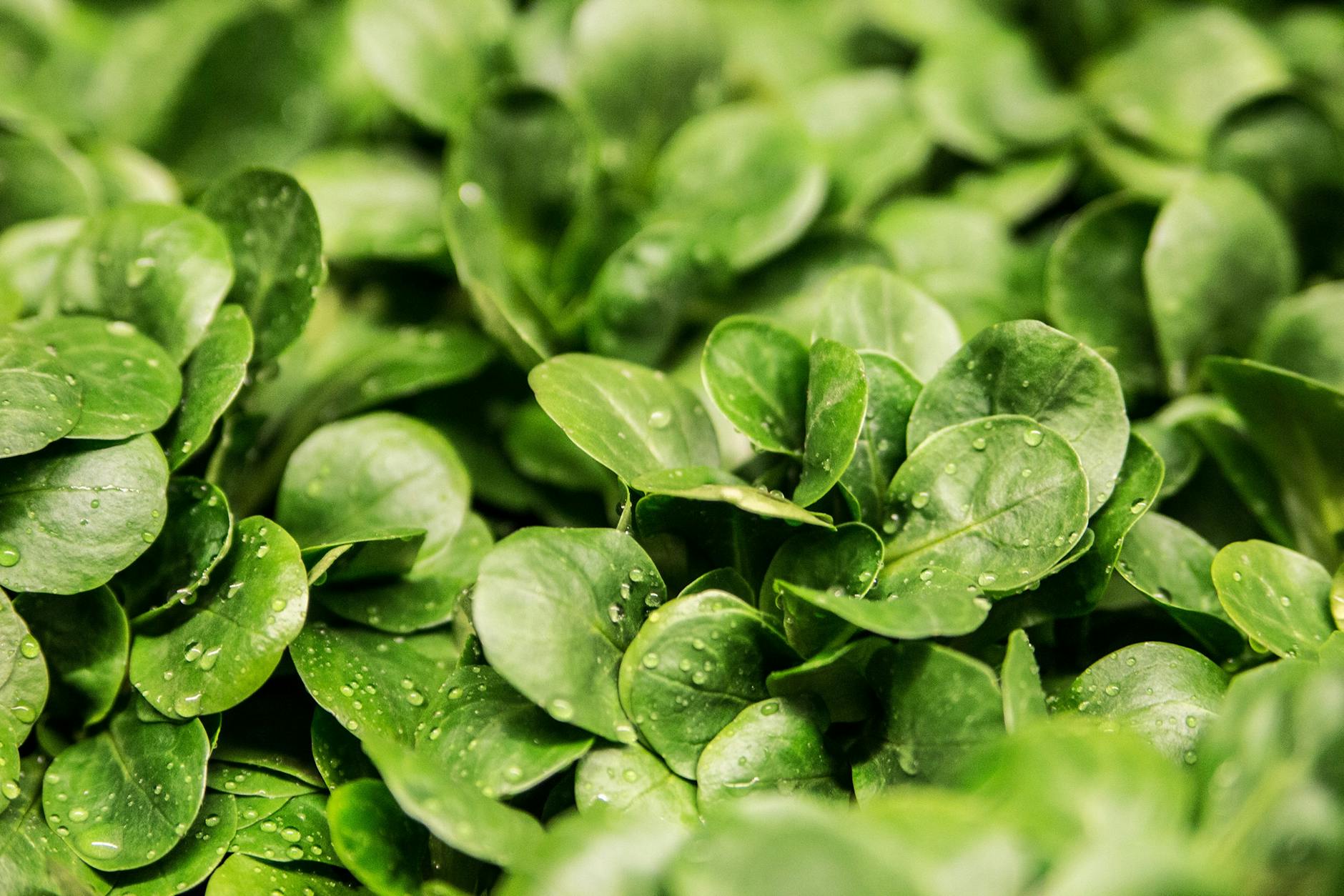

In today’s world of year-round access to any ingredient imaginable, it’s easy to forget the joys and benefits of eating seasonally. I will always remember the taste of the first picked tomato of the summer straight from the garden. It is hard to compete with sweet juices of a fresh strawberry straight off the bush. Eating is a universal experience, and enjoying seasonal produce is a great way to savor the flavors of the freshest and most delicious ingredients. When we eat seasonally, we can also save money, consume more nutritious produce, support or local farmers, and minimize the carbon footprint associated with food miles. Here are more ways we can lower our carbon footprint in the kitchen.
In this post, we will walk through the steps of eating seasonally. This includes how to familiarize yourself with seasonal produce, plan meals around what’s in season, join a CSA, shop at local farmers’ markets, and preserve seasonal food. Whether you’re a seasoned pro at seasonal eating or new to the concept, these tips will help you embrace the abundance and diversity of seasonal food and make the most out of your meals.
Familiarize Yourself with the Seasonal Produce
First, before you are able to eat seasonally, it’s important to know what foods are seasonal. What is available can vary depending on the time of year as well as the geographic location you live in. For example, strawberries are in season from February through October in Southern California. However, they are only in season during June and July in Minnesota. Knowing this, we can assume strawberries are going to be the cheapest, most available, and freshest in Minnesota during June and July. Whereas cost and availability might not vary much throughout the year in California. Therefore, it is important to know what grows in your area as well as when they are harvested.
Many online resources do much of this work for you, such as the Seasonal Food Guide, which provides a great breakdown of what produce is seasonal in your chosen area. Another way to find out what produce is in season is by visiting your local farmers’ markets.

Plan Meals Around What’s In Season
Once you know what’s in season, it makes it easier to plan meals using those ingredients. For example, in the summer, you might plan a salad with fresh, juicy tomatoes, crisp cucumbers, and tangy feta cheese, while in the fall, you might make a hearty soup with butternut squash, apples, and warm spices. When planning meals with seasonal ingredients, I find it easiest to think about how I can incorporate them into recipes I already like or use Google to find new recipes with that ingredient. For example, I might Google “healthy dinner recipes with fresh tomatoes” to find new dishes I’ve never had. Need other inspiration? Check out sites like Healthy Seasonal Recipes or Eating Well.
Experimenting with new recipes and ways of using seasonal ingredients is a great way to add variety to your meals. It also can introduce you to new flavors, textures, and even plants you may have never tried before. And having variety in our diet is important in making sure we are getting all the necessary vitamins and minerals that keep us healthy.
Join a CSA (Community Supported Agriculture)

Community supported agriculture (or CSA) is a great way to eat seasonally and locally. A CSA is a system designed to help the community become more connected with the farmers. CSAs can be mutually beneficial as they help financially support the farmers earlier in the season and provide consumers with the ability to experience new foods and learn how their food is grown. It also limits food miles which are a large contributor to greenhouse gas emissions.
CSA works with the consumer essentially purchasing a “share” of the farm’s products in advance (early in the season). Then as a member, you will receive a weekly or biweekly box of produce from the farmer throughout the growing season. Each box can contain different farm products, though some CSAs offer the ability to choose what you would like to receive as they all work a little differently. For more information on what a CSA is or to find one near you, check out the site Local Harvest.
Shop at Local Farmers’ Markets
If a CSA isn’t up your alley, another way to shop seasonally includes visiting your local farmers’ market. Here you can find the freshest seasonal produce available and take the opportunity to meet your local farmers. Many markets also sell more than just produce. You may even have opportunities to purchase locally grown flowers, honey, crafts, and more. Farmers’ markets are a great way to support your local farmers while also picking out exactly what you like. The USDA’s Local Food Directory is a great resource for finding Farmers’ Markets near you.
Preserve Seasonal Food
Though preserving may take more time and effort, it can also be a useful tool to allow you to enjoy the freshest produce throughout the year. And aside from contrary belief, preserving food isn’t just for those who grow their own food. We can also preserve seasonal food that we purchased in bulk at markets or food we received in a CSA.
Preserving can look like traditional canning, but, it can also look like pickling, jamming, freezing, or dehydrating. But don’t worry if you don’t have the time or energy to start preserving food. Eating any produce throughout the year is still healthier than none at all.

Tip: When purchasing produce in the off-season, buying frozen fruits and vegetables is often just as nutritious (if not more) than fresh produce (and often cheaper too). This is because fruits and vegetables that are frozen have been picked during peak ripeness and then flash-frozen quickly after harvest. This ensures the plant is full of nutrients at harvest and then those nutrients are sealed in through the freezing process.
Conclusion
Eating seasonally and locally is a wonderful way to support local farmers, reduce your carbon footprint, and enjoy delicious, fresh food. By familiarizing yourself with what’s in season, planning meals around seasonal produce, joining a CSA, shopping at local farmers’ markets, or preserving seasonal food, you can take advantage of the many benefits of eating seasonally. Not only does this allow for a more varied and exciting diet, but it also ensures that you are taking advantage of all the seasonal and flavorful produce available. So, start exploring the seasonal offerings in your area and embrace the delicious and sustainable world of seasonal eating!
Eating seasonally doesn’t just mean enjoying fresher, tastier produce—it’s also a great way to explore exciting recipes and make your meals more sustainable. If you’re looking for inspiration, check out this recipe Okra Corn Sauté for a delicious way to use summer produce.
Seasonal eating also ties beautifully into sustainable practices. For simple changes you can make in your kitchen, explore 4 Easy Kitchen Swaps for a More Sustainable Lifestyle.
Embracing seasonal eating is about more than just food—it’s a lifestyle that celebrates nature’s rhythms while reducing your environmental footprint. Let these resources guide you on your journey!
Leave a Reply