- The first system it is thought to impact is the central nervous system (CNS) – this system involves our brain and spinal cord. Within the brain exists the brain limbic system which is known to play a large role in depression as it controls emotions and behaviors.
- The second system is the stress axis or HPA axis – the system that intertwines our CNS with our endocrine response system and manages our stress response (i.e. sweating, anxiety, fight/flight, etc.). Magnesium is thought to reduce the release of adrenocorticotrophic hormone which is used to elevate our cortisol and stress responses.
- The third system impacted is our oxidative pathways – the pathways our cells use to break nutrients down into energy. Oxidative pathways can create extra stress in the body if not balanced out properly with antioxidants. Magnesium is thought to impact this pathway through its alteration of our gut microbiota where it helps lower inflammatory responses and stress from oxidation.
3 Nutrients Related to Depression

With depression becoming one of the most common mental disorders in the U.S., it is no surprise researchers have been trying to find new ways to treat the symptoms. This research ranges from developing therapies and studying new prescription medications to psychedelic use, and even nutritional supplementation. Over the years, there have been many causes attributed to developing depression such as genetics, hormone imbalances, traumatic experiences, unhealthy belief systems, neurotransmitter irregularities, and nutritional deficiencies. Nutritional supplementation is one area that has been gaining a lot of attention.
If you read my post from last week titled Your Mood, The Second Brain, and Serotonin, you would have learned how serotonin is largely produced in the gut and helps communicate with the brain via the vagus nerve. Today, I am exploring how certain nutrients and deficiencies can exacerbate or even cause mental health symptoms. I will be looking at 3 heavily studied nutrients in detail.
1) Magnesium
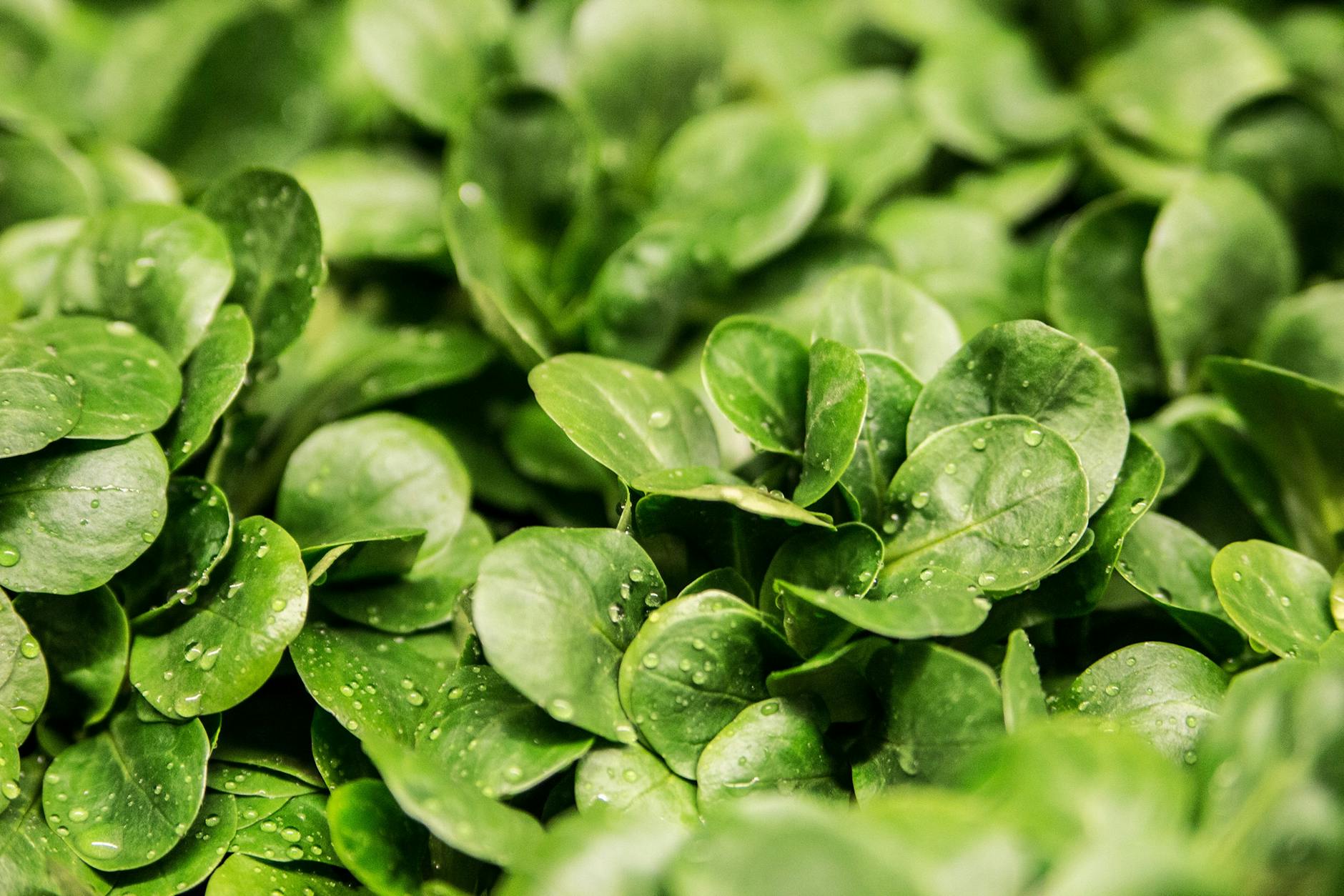
One of the nutrients that has gained popularity in research on depression treatment lately is magnesium. It can be found in a variety of green leafy vegetables, nuts, seeds, and whole grains. Even though it is prevalent in many foods, a 2005 study found that 68% of Americans consume less than the daily recommendation (1). The current recommended intake of magnesium is between 310-420mg a day for adults.
Some examples of recent research on magnesium. A 2016 study on magnesium supplementation for depression in those with a magnesium deficiency found that 500mg of magnesium oxide for 8 weeks did in fact reduce the symptoms of depression (2). A 2013 study even found that magnesium intake decreased the risk of developing depressive symptoms in those without depression. (3) Another study conducted in 2015 measured the impact of a magnesium deficit diet on microbial composition in the gut and subsequent depressive-like behaviors in mice. They found the mice exposed to the magnesium deficient diet had more imbalances in their microbiota as well as depressive-like behaviors than mice not fed a magnesium deficient diet. (4)
Magnesium is a mineral that we need in our daily lives as it is involved in over 300 metabolic reactions that are essential for normal functioning. Some of these reactions influence our energy (ATP) production and others further influence the expression of our DNA. Magnesium has also been found to play a role in other diseases such as Alzheimer’s disease, osteoporosis, cardiac arrythmia, asthma, diabetes, stroke, hypertension, migraines, and attention deficit disorder (ADD).
Recent research has hypothesized that magnesium works on depression through its impact on three systems in our body.
Leave a Reply